Water Depth
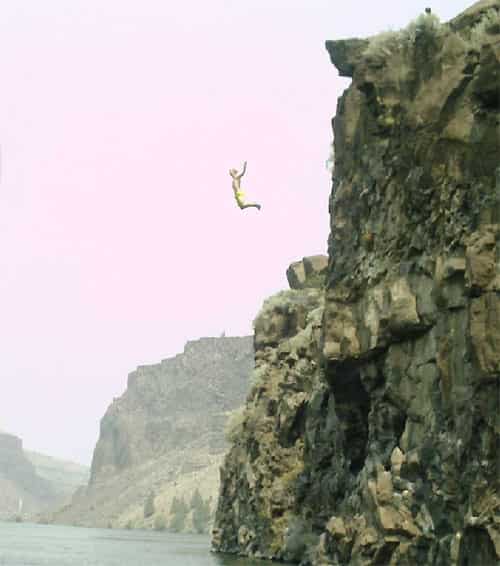
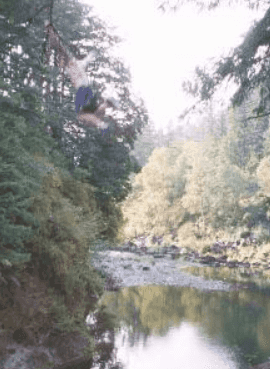
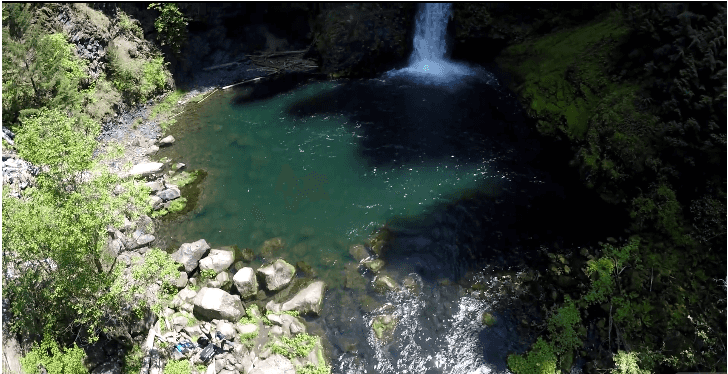
Depth should be checked from the water because the usable landing can change with river flow and swimmer position.

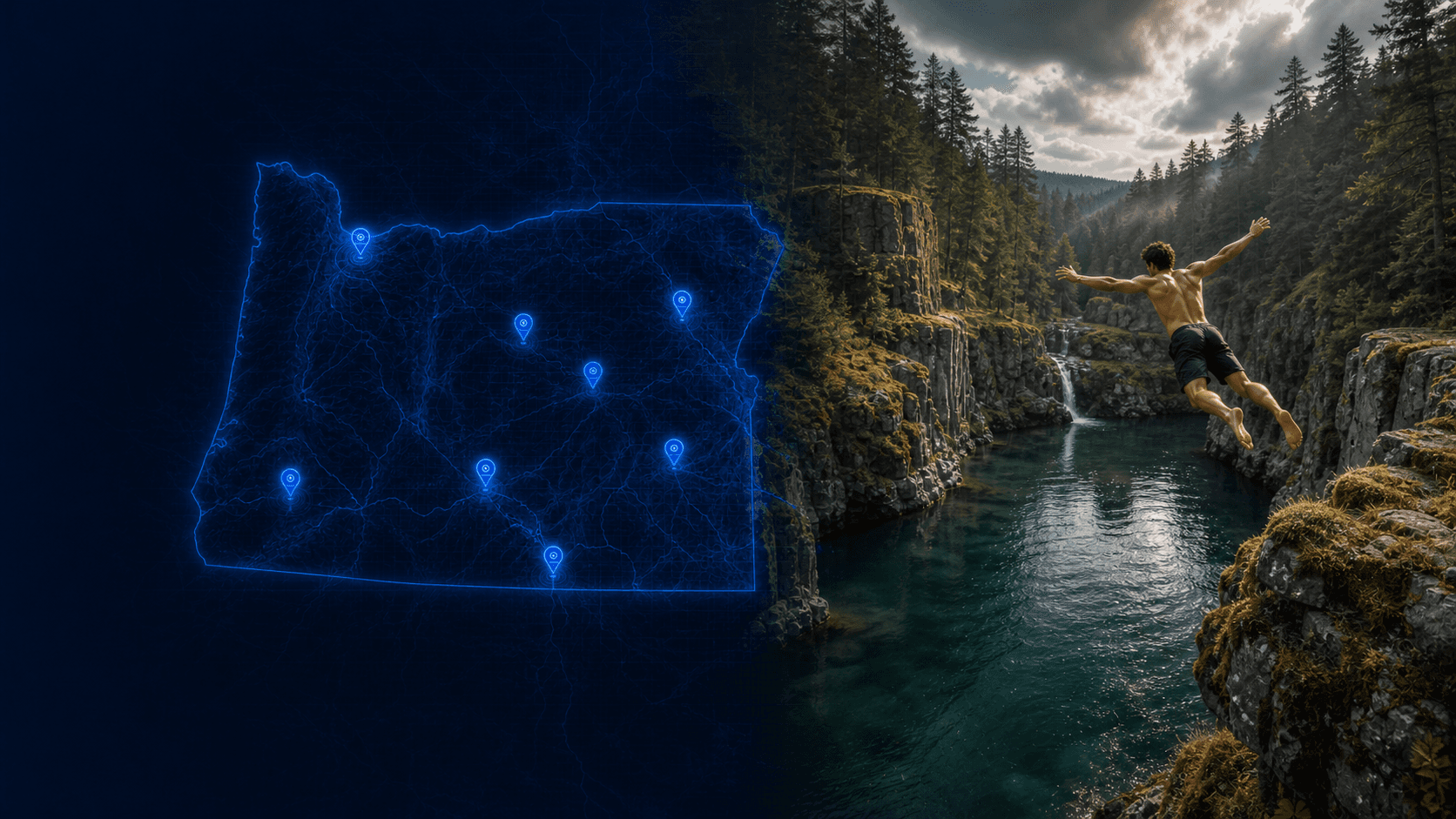
Tiller, Oregon, United States
SLIPPERY BASALT, MOVING WATER, AND CROWDING NEED A FRESH CHECK*
South Umpqua Falls appears to be a freshwater waterfall and slide zone near Tiller, Oregon with multiple reported jump options. Use it only after checking flow, slick-rock traction, impact depth, and whether the landing pool is actually clear.
This is the kind of spot where popularity can create false confidence. Read the water and the exact line in front of you, not the energy of the crowd.
Overview
South Umpqua Falls is a waterfall-and-slide spot near Tiller, Oregon. Public sources support the location and the jump reputation, but the real decision still depends on moving-water conditions, slick rock, and crowding in the landing area.
Quick Answer
South Umpqua Falls appears to be a freshwater waterfall and slide zone near Tiller, Oregon with multiple reported jump options. Use it only after checking flow, slick-rock traction, impact depth, and whether the landing pool is actually clear.
Key Takeaway
This is the kind of spot where popularity can create false confidence. Read the water and the exact line in front of you, not the energy of the crowd.
Quick Answer
South Umpqua Falls appears to be a freshwater waterfall and slide zone near Tiller, Oregon with multiple reported jump options. Use it only after checking flow, slick-rock traction, impact depth, and whether the landing pool is actually clear.
Key Takeaway
This is the kind of spot where popularity can create false confidence. Read the water and the exact line in front of you, not the energy of the crowd.
Conditions and planning notes
Depth should be checked from the water because the usable landing can change with river flow and swimmer position.
Use the campground and river access as the orientation point and confirm current public access and seasonal conditions before entering the water.
A short walk in should not shorten the scout. Take time to watch the pool, the current, and the exit before climbing onto any rock line.
Likely hazards include slick rock, strong current near the base, changing depth, crowding in the pool, and difficult footing on the way out.
Several public lines are described, so the safest approach is to judge one exact ledge at a time instead of treating the whole falls as equivalent.
The biggest issues are moving water, slick basalt, multiple takeoff choices, and a landing zone that can fill up fast on hot days.
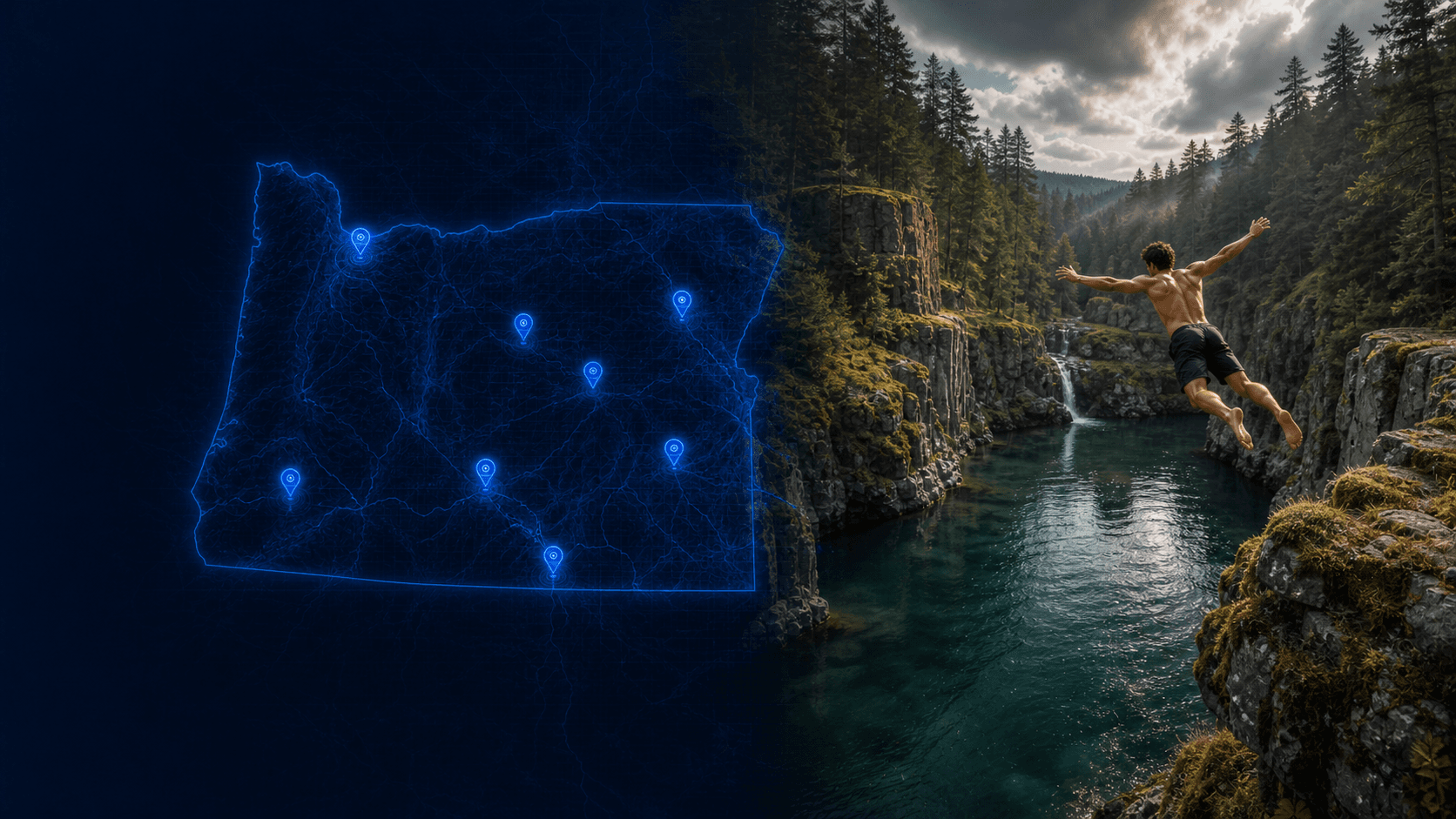
Map location
Use the source location details as a starting point until exact coordinates are added.
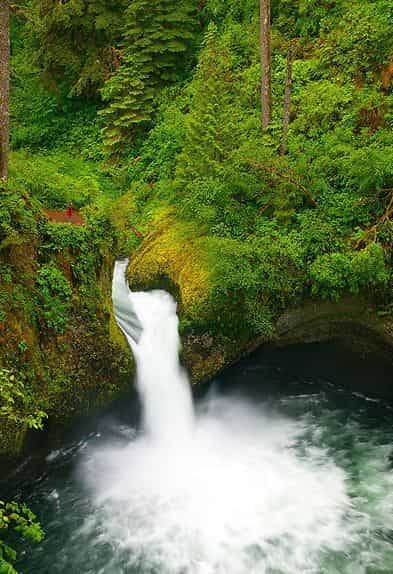
South Umpqua Falls sits in the South Umpqua corridor near Tiller, where public guides describe a short approach to a lively river setting with slides, falls, and several places people use for jumping. That combination makes it a real destination, but it also means the landing pool may be busy and the rock may be polished from constant water and foot traffic. Moving water changes the problem here. Even when the pool looks deep, the current near the base of the falls can alter the landing feel, push swimmers into the line, or make the exit more awkward than expected. A basalt slab that feels workable when dry can become a poor takeoff when wet or algae-slick. Before treating South Umpqua Falls as jumpable, inspect the pool from the water, watch how the current behaves around the base, confirm where other swimmers are drifting, and decide whether the exit remains easy if you choose not to repeat the line. If the flow or footing feels uncertain, keep it to sliding or swimming only.
FAQs
Plan this spot