Water Depth
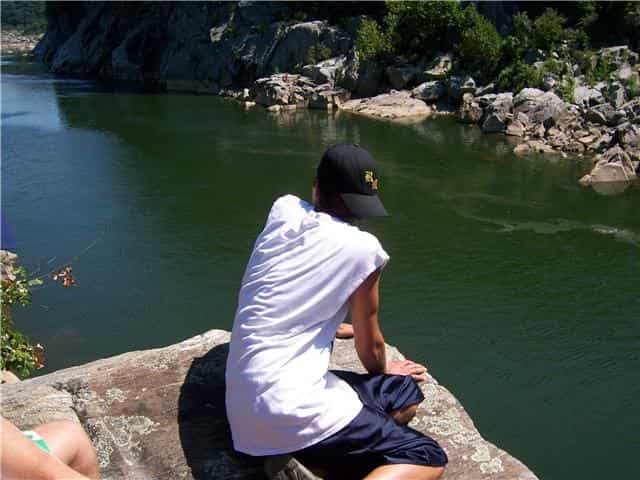
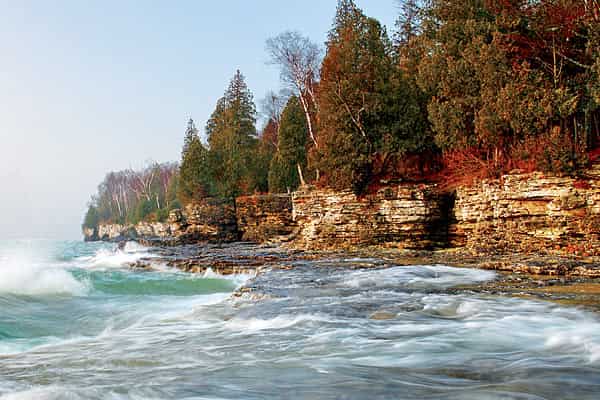
Depth is not verified by iCliffDive. Inspect from the water and never assume a reported swimming hole or quarry is deep enough for jumping.

Cockeysville, Maryland, United States
VERIFY WATER CONDITIONS, ACCESS, DEPTH, AND EXITS BEFORE ENTERING*
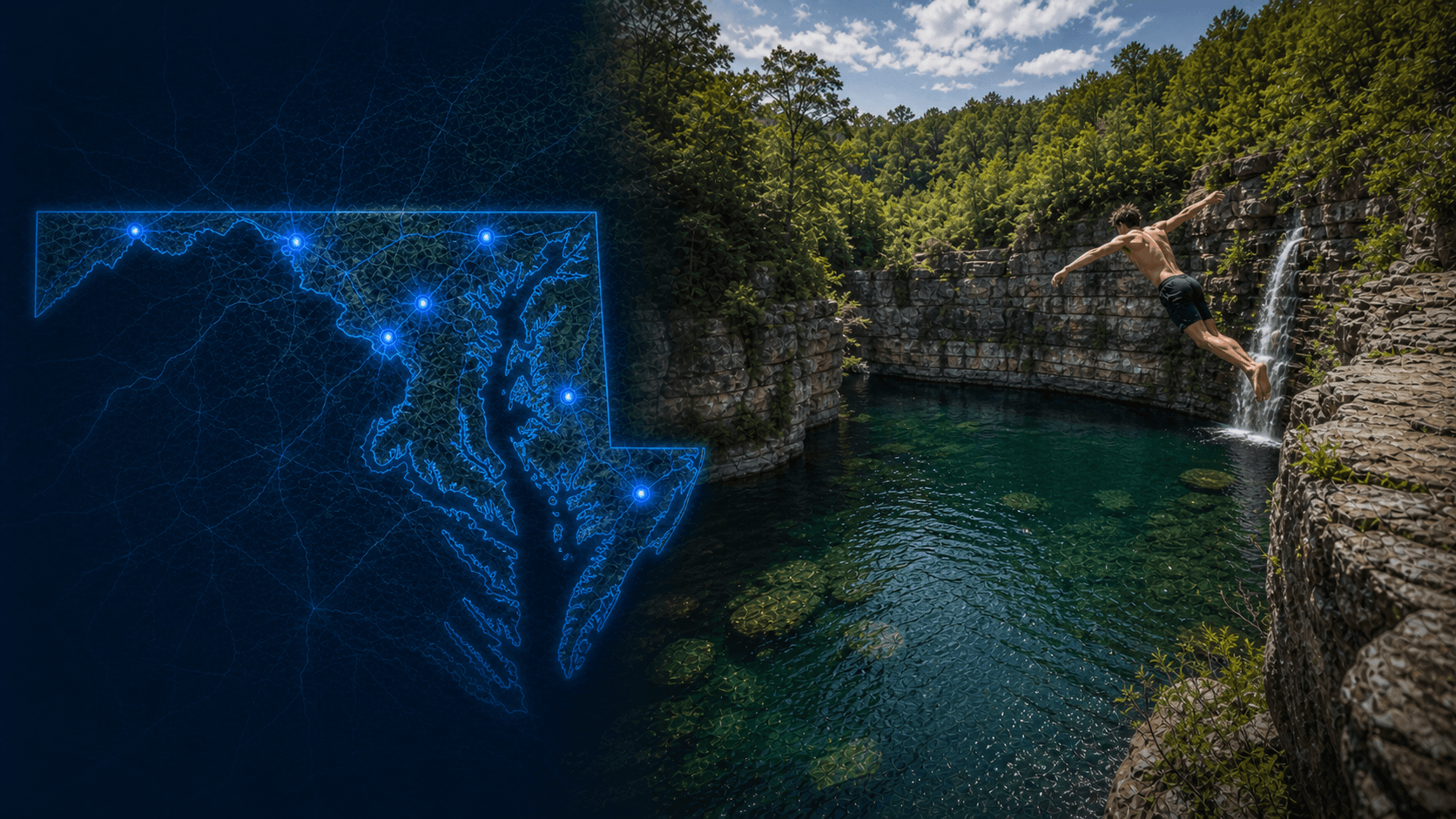
Beaver Dam Swimming Club is a reported quarry / freshwater jump spot in Cockeysville, Maryland, United States. Jump height, landing depth, and access conditions must be checked on site before anyone treats the water as usable.
Sources point to strong-swimmer-only quarry access, depth changes, managed rules, and the need to follow staff guidance instead of assuming all quarry edges are open. Treat this page as a planning guide and verify current conditions before visiting.
Overview
Beaver Dam Swimming Club is described as a managed quarry swim spot where deep water, rope-swing use, and designated entry areas create a monitored jump-and-swim environment.
Quick Answer
Beaver Dam Swimming Club is a reported quarry / freshwater jump spot in Cockeysville, Maryland, United States. Jump height, landing depth, and access conditions must be checked on site before anyone treats the water as usable.
Key Takeaway
Sources point to strong-swimmer-only quarry access, depth changes, managed rules, and the need to follow staff guidance instead of assuming all quarry edges are open. Treat this page as a planning guide and verify current conditions before visiting.
Quick Answer
Beaver Dam Swimming Club is a reported quarry / freshwater jump spot in Cockeysville, Maryland, United States. Jump height, landing depth, and access conditions must be checked on site before anyone treats the water as usable.
Key Takeaway
Sources point to strong-swimmer-only quarry access, depth changes, managed rules, and the need to follow staff guidance instead of assuming all quarry edges are open. Treat this page as a planning guide and verify current conditions before visiting.
Conditions and planning notes
Depth is not verified by iCliffDive. Inspect from the water and never assume a reported swimming hole or quarry is deep enough for jumping.
Use the club entry only after checking operating rules, swim-test requirements, and whether quarry entries and exits are open for the current session.
Approach details come from public source notes and should be checked against current trail conditions, closures, parking rules, and weather.
Primary hazards include variable depth, current or river flow, slippery rock, submerged objects, crowding, limited exits, and posted restrictions.
Rock or platform takeoffs can be slick, crowded, managed, or restricted. Use only legal, stable, inspected takeoffs with a confirmed landing and exit.
Sources point to strong-swimmer-only quarry access, depth changes, managed rules, and the need to follow staff guidance instead of assuming all quarry edges are open.
Map location
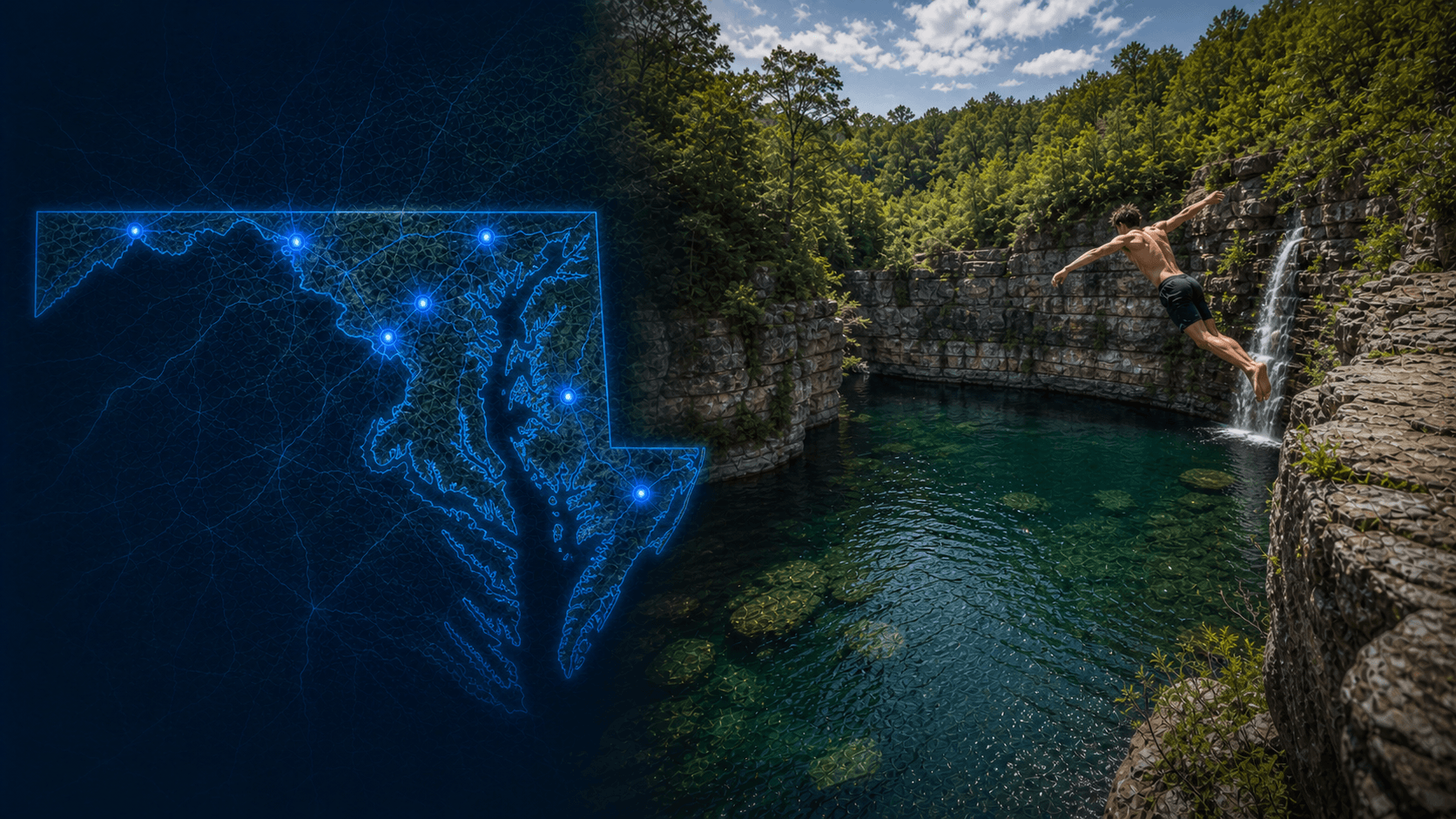
Use the source location details as a starting point until exact coordinates are added.
Beaver Dam Swimming Club sits in Cockeysville, Maryland, United States and is described as a freshwater quarry swim club with deep quarry water, a rope swing, and managed swim areas north of Baltimore. The saved sources provide enough location and usage context for a planning page, but the public copy should stay careful about what is known versus what still needs local verification. Conditions can change quickly at natural-water spots. Rain, flood release, snowmelt, algae, crowding, debris, watercraft, and changing exits can make an older photo or video a poor guide for today's conditions. Before planning a jump, verify legal access, parking, current water level, landing depth, submerged hazards, footing, takeoff options, and a clean exit from the water. Walk away if depth, flow, visibility, rules, or exits cannot be checked directly.
FAQs
Plan this spot